
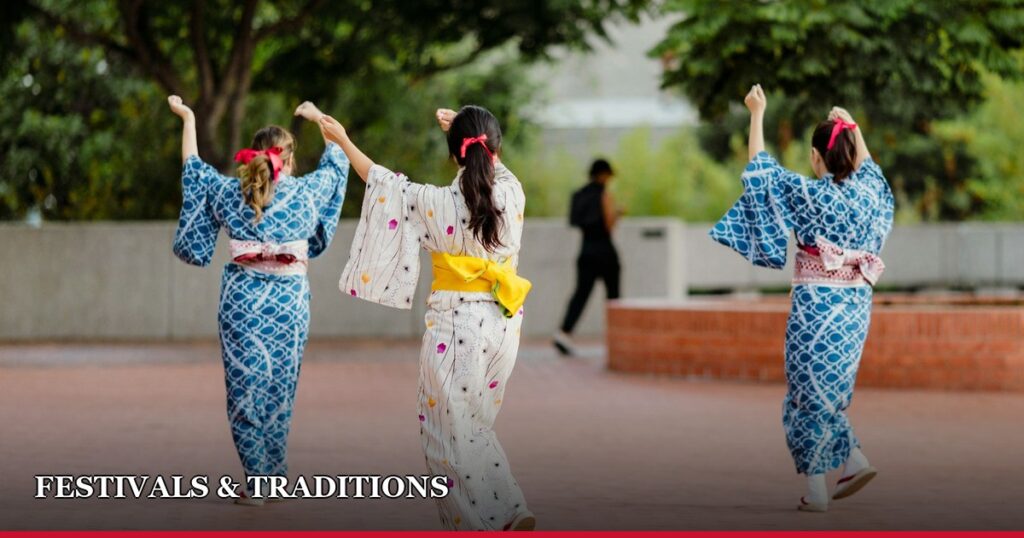
Obon: Why Japan Believes the Dead Come Home Every Summer
For a few days every August, tens of millions of people in Japan pack trains and highways to travel back […]

For a few days every August, tens of millions of people in Japan pack trains and highways to travel back […]

For five nights every August, the northern city of Aomori goes dark except for a procession of enormous illuminated floats
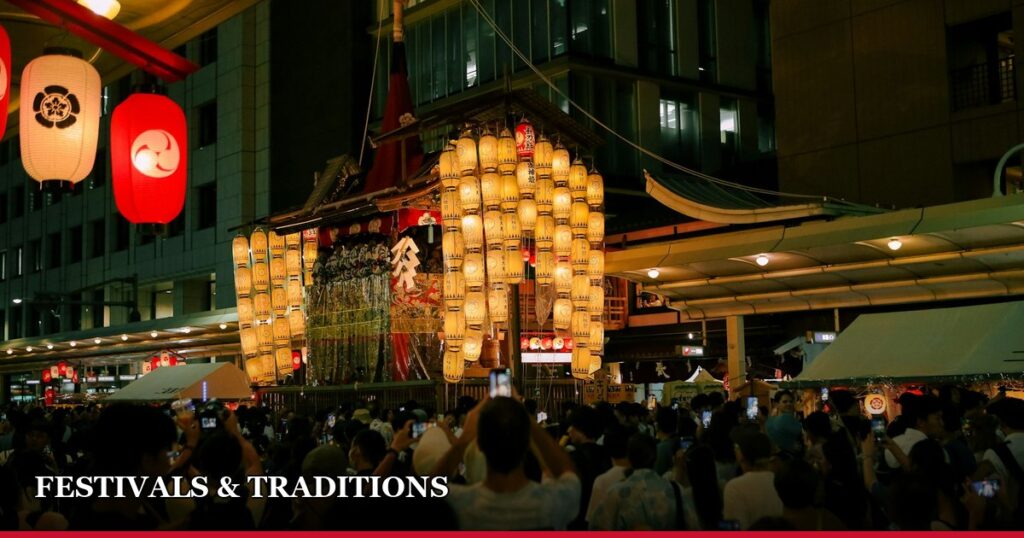
Every July, the streets of central Kyoto fill with towering wooden floats, some over 25 meters tall, hand-pulled by teams
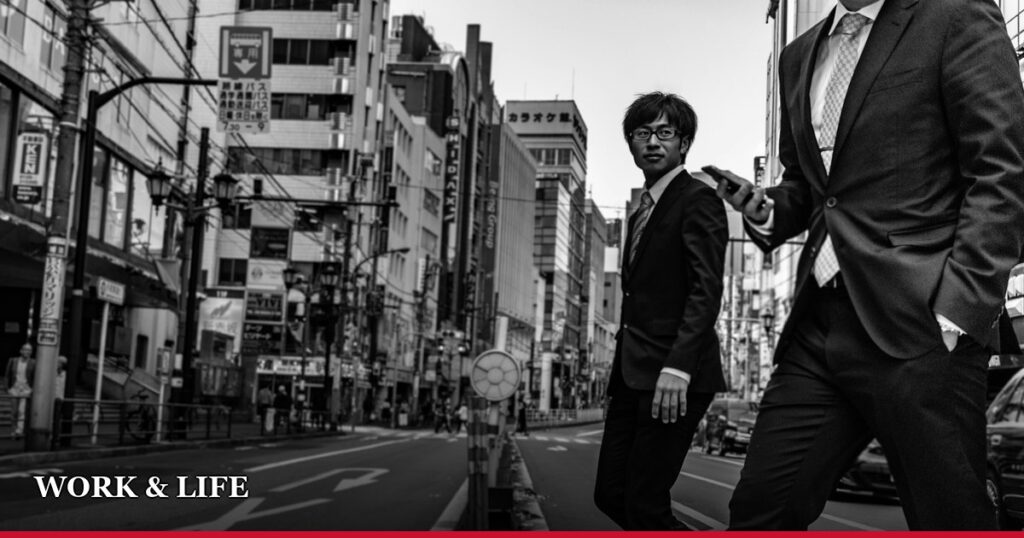
Why do Japanese office workers bow to an empty meeting room or their own desk? The Shinto-rooted habit of showing respect to spaces, not just people.
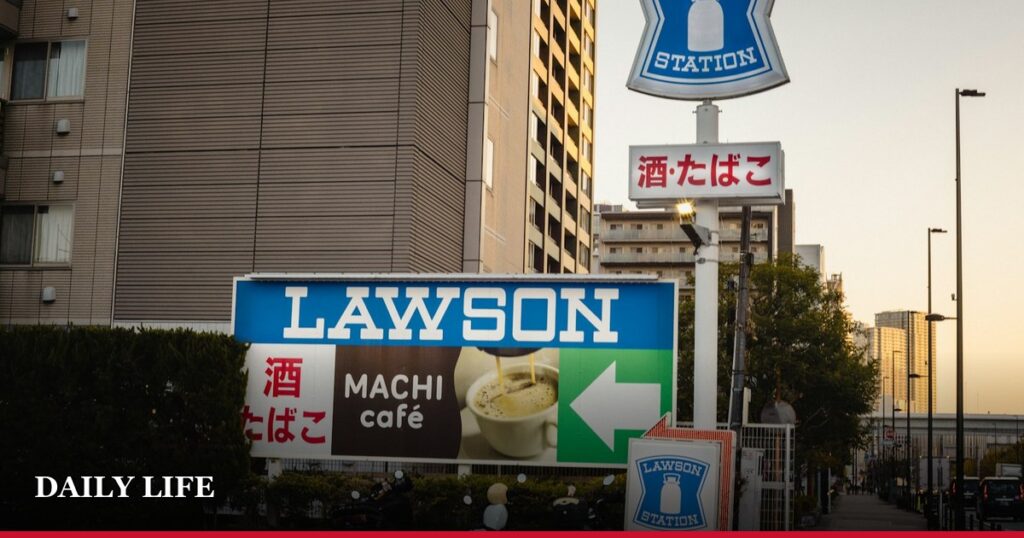
How did Seven-Eleven’s Seven Cafe change coffee in Japan? Why convenience store coffee took off so fast, and how it fits into Japan’s older coffee traditions.
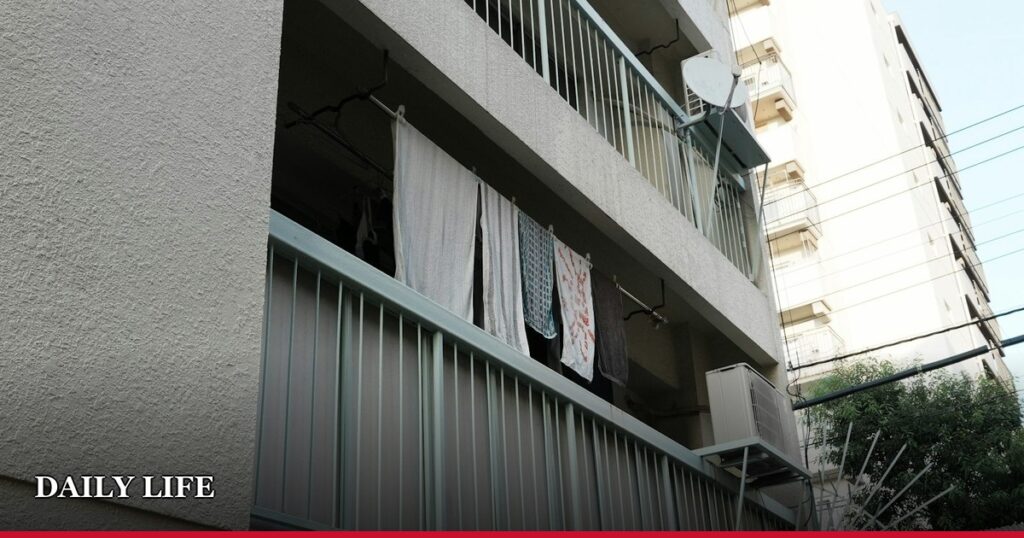
Why don’t Japanese people use clothes dryers much, and what is heya-boshi detergent? The unwritten rules of balcony drying and laundry in a Japanese apartment.
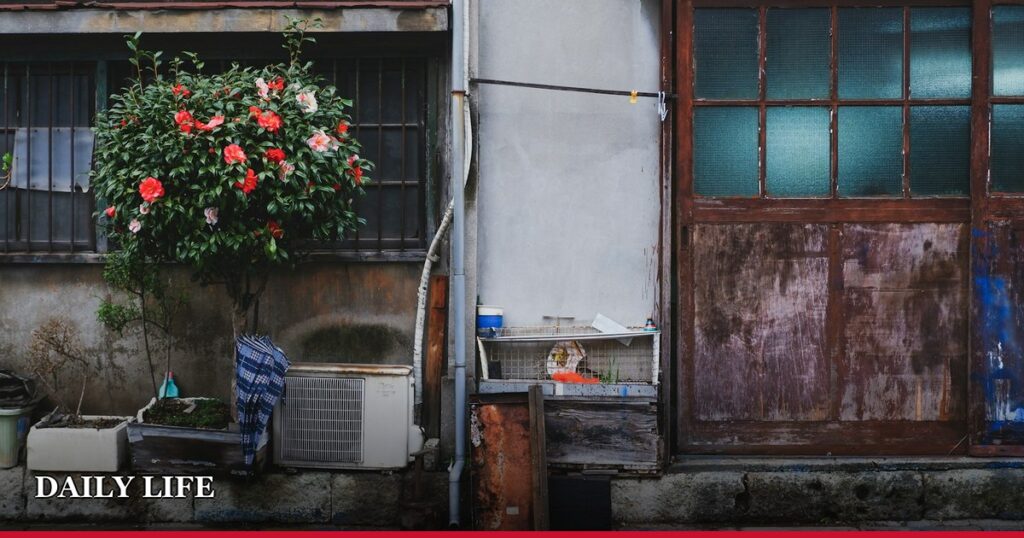
Why do Japanese offices set air conditioning to 28 degrees? Cool Biz, the Fukushima-era energy policy behind it, and Japan’s changing attitude toward AC.
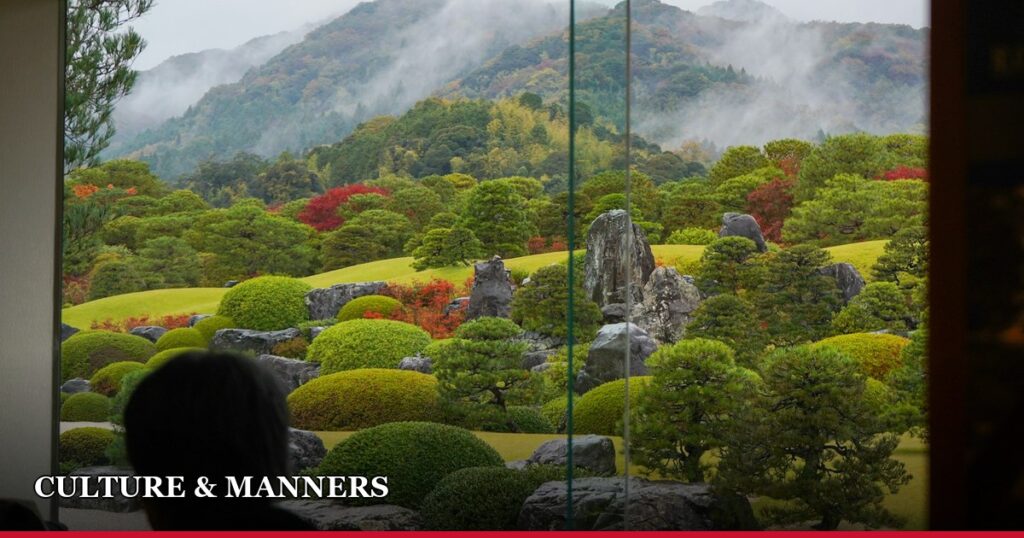
What does ma mean in Japanese culture? The art of meaningful silence and empty space across Japanese conversation, music, architecture, and design.
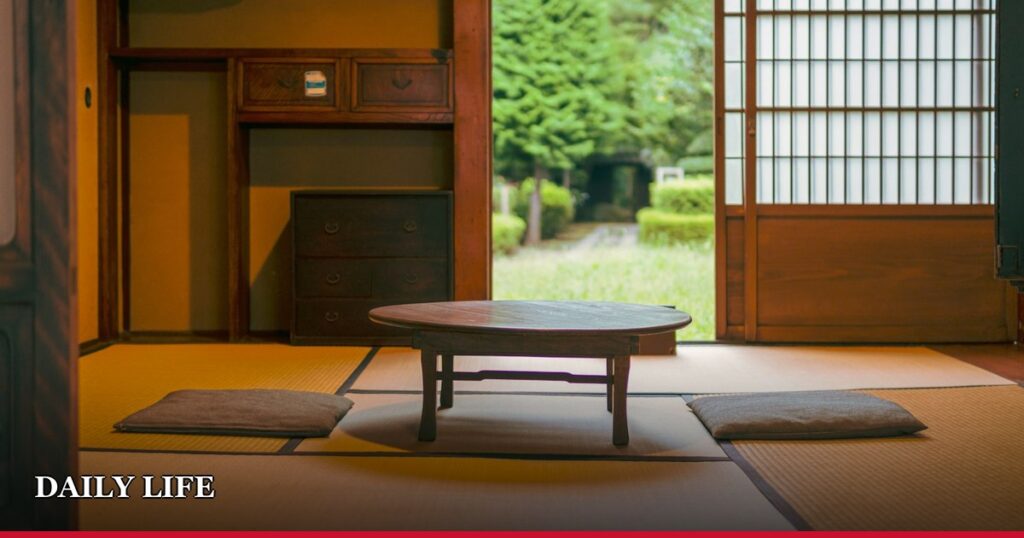
Do Japanese men help with housework? Why the gender gap in household chores remains wide even in dual-income families, and what wanope means.

Why do Japanese people cover their mouths when they laugh? The modesty etiquette, gender history, and broader restraint culture behind the gesture.