
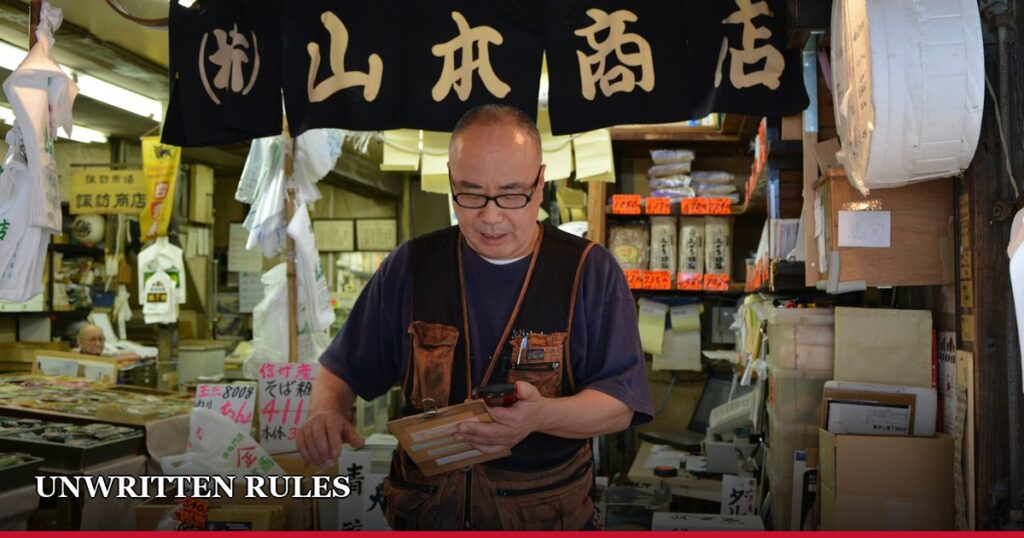
Why Japanese People Rarely Complain to Your Face
Why do Japanese customers avoid complaining directly, and where does the dissatisfaction actually go? Kuremaa, customer service channels, and online reviews explained.
Why do Japanese customers avoid complaining directly, and where does the dissatisfaction actually go? Kuremaa, customer service channels, and online reviews explained.
Does silence mean no on a Japanese business call? Why pauses on the phone are treated as meaningful, not awkward, and what aizuchi and ma have to do with it.
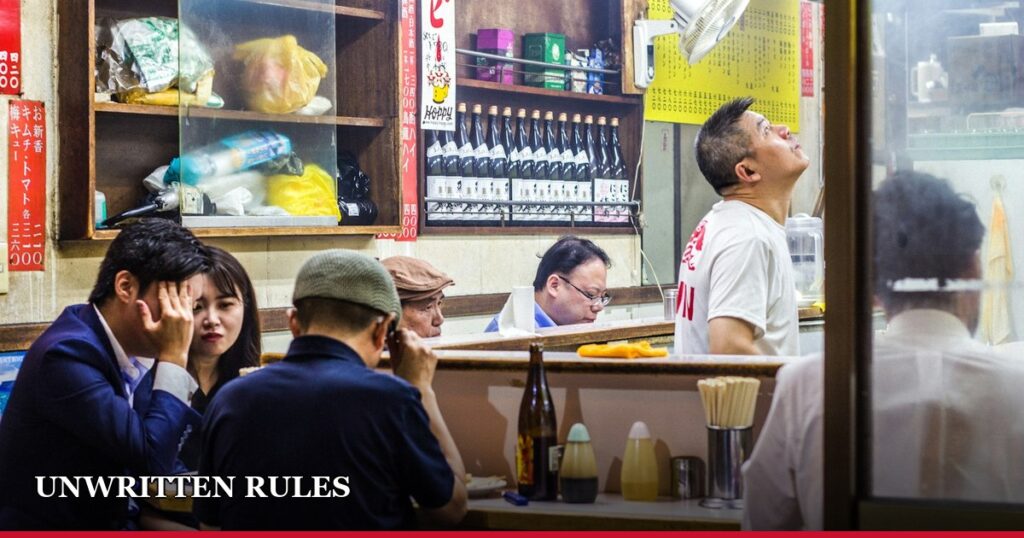
What does otsukaresama mean, and why do Japanese coworkers say it constantly? The workplace phrase that has no clean English translation, explained.

What is torizara, and how much should you take from a shared plate in Japan? The unwritten rules of communal dining at izakaya, nabe, and family meals.

Why is Japanese karaoke private instead of on a stage, and what are the unwritten rules once you’re in the room? A guide to karaoke etiquette, history, and hitokara solo karaoke culture.
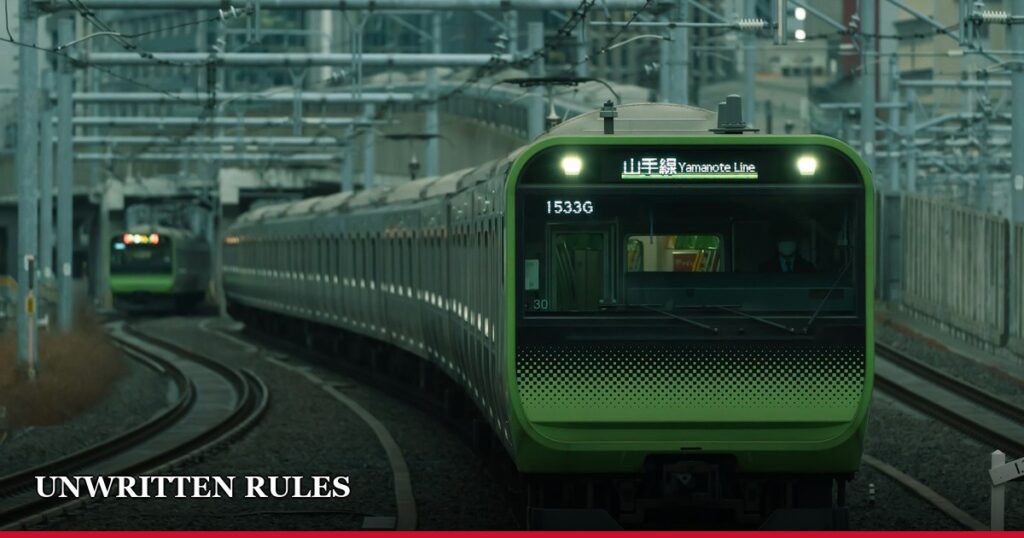
Foreigners riding a Japanese train for the first time often notice something quietly striking. Hundreds of people in a single
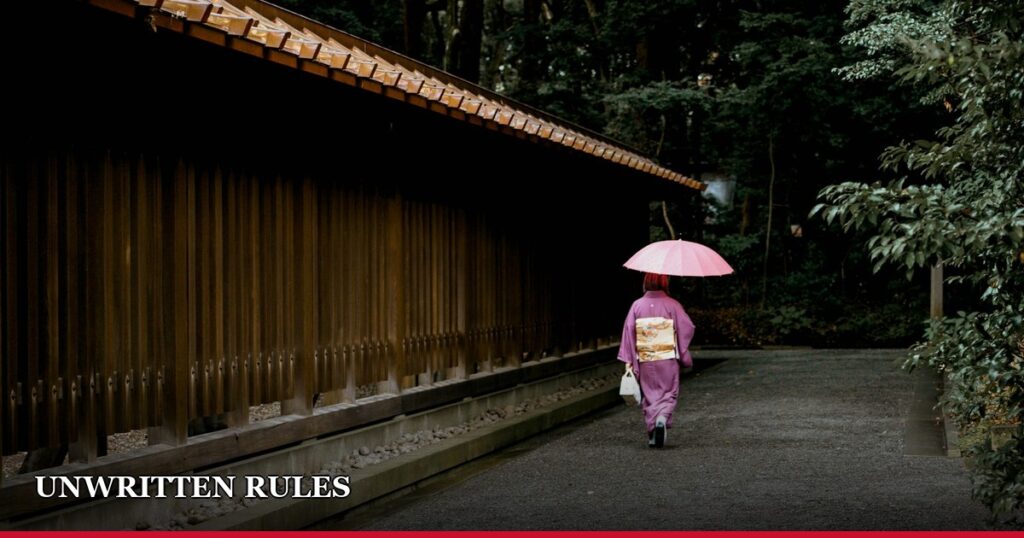
Japan is a country that gets a lot of rain. The rainy season, typhoons, sudden summer downpours — precipitation is
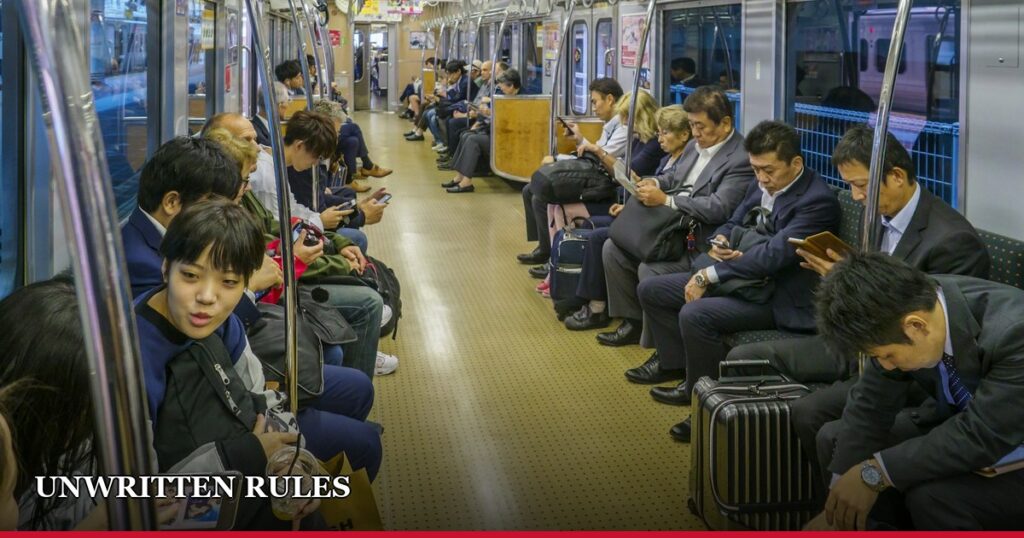
One of the first things foreigners notice when they begin living in Japan is how quiet the residential environment is.
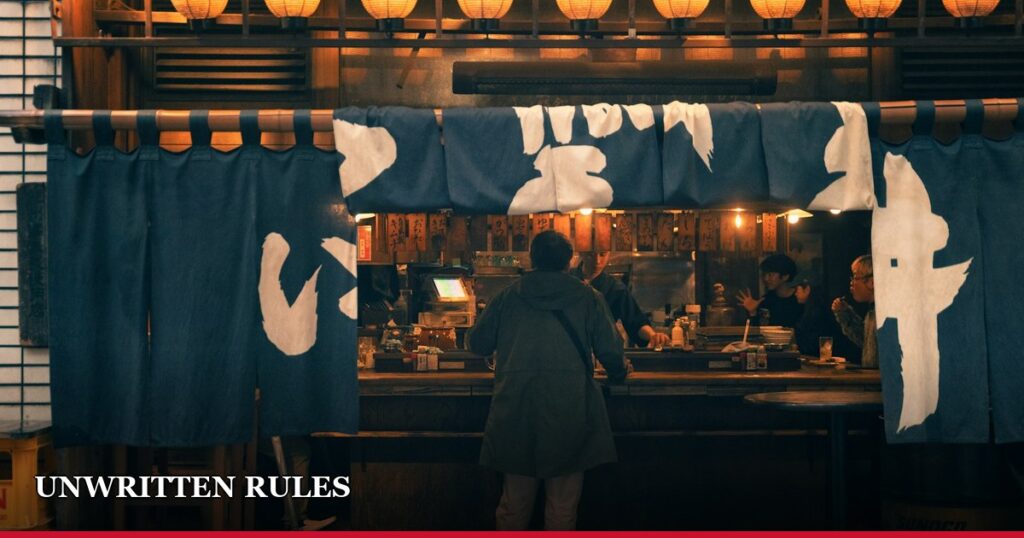
The Japanese izakaya is not simply a bar or a restaurant. It is one of the spaces where Japanese people
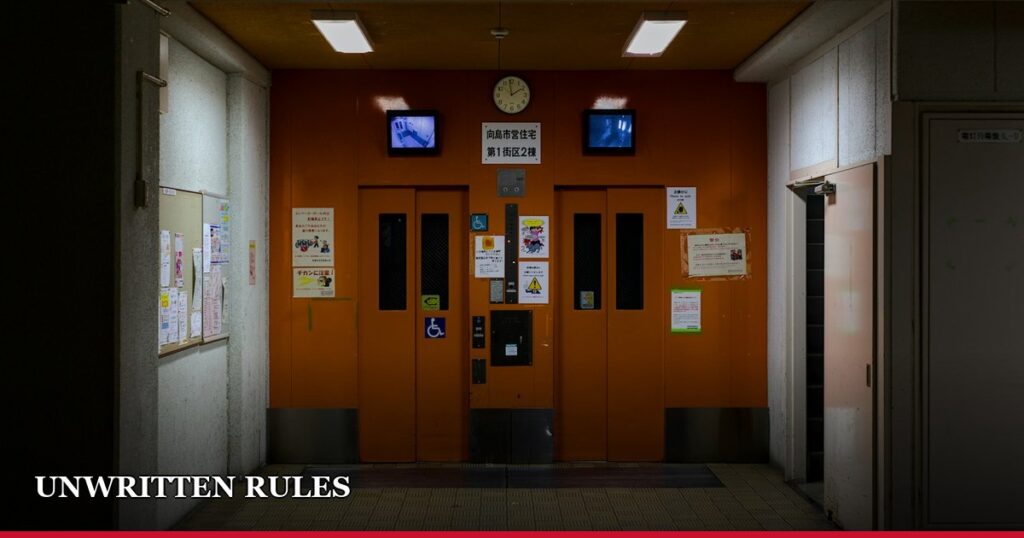
Step into an elevator in Japan and something quietly unusual unfolds. Nobody speaks. Everyone faces the doors. The last person