
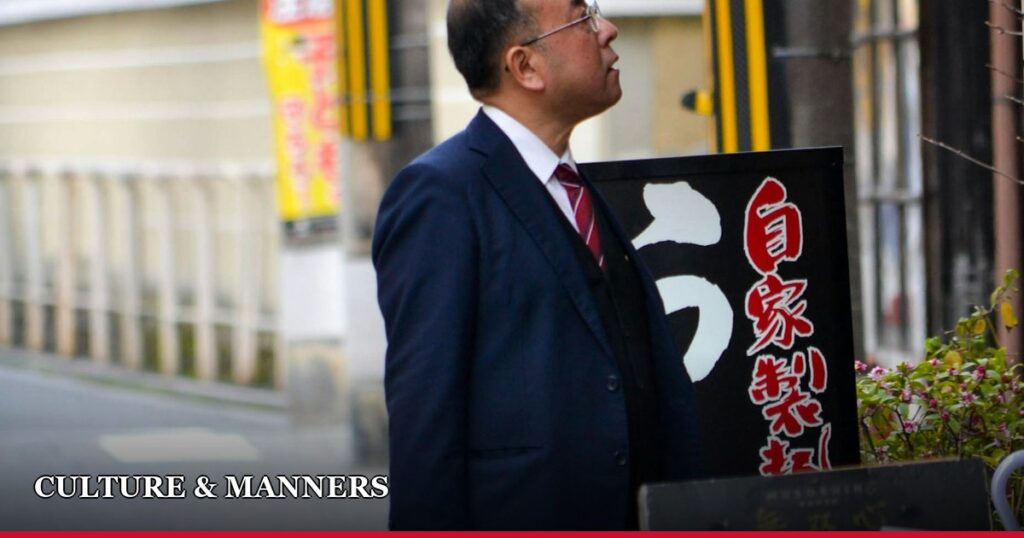
Why Japanese Business Cards (Meishi) Have Their Own Etiquette
Why does exchanging a business card in Japan feel so formal? The etiquette of meishi kokan, common mistakes foreigners make, and how digital cards are changing the ritual.

Why does exchanging a business card in Japan feel so formal? The etiquette of meishi kokan, common mistakes foreigners make, and how digital cards are changing the ritual.
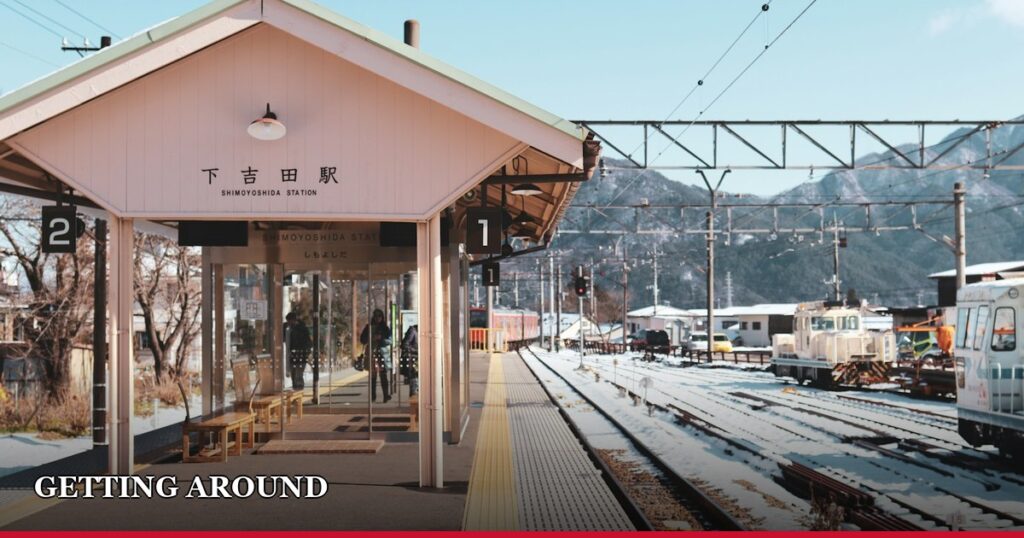
Why do Japanese train stations play a short melody before departure? The safety problem hassha melody were designed to solve, and the composers and fan culture behind them.
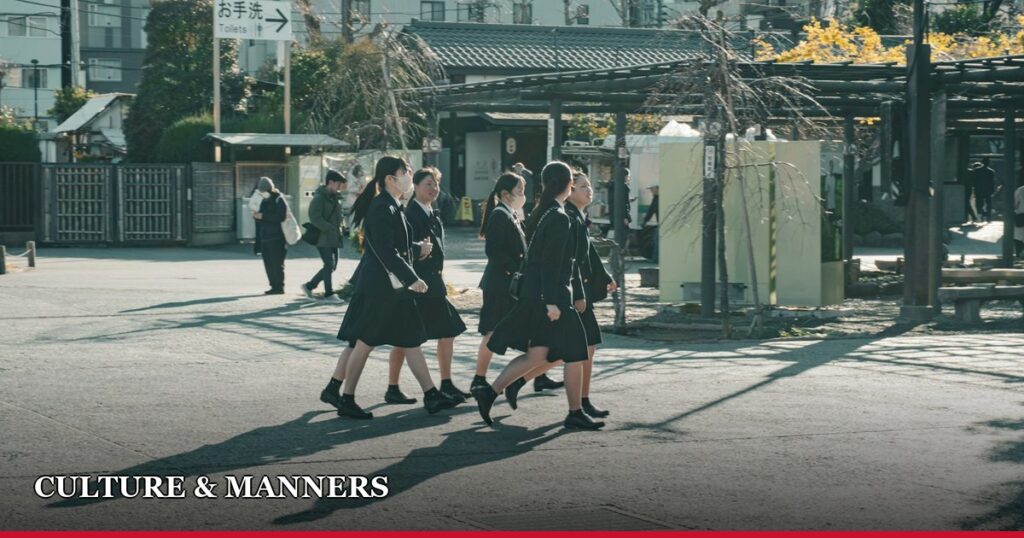
What is senpai-kohai, and how is it different from age-based hierarchy? Japan’s system of seniority based on experience, and the reciprocal obligations it creates.
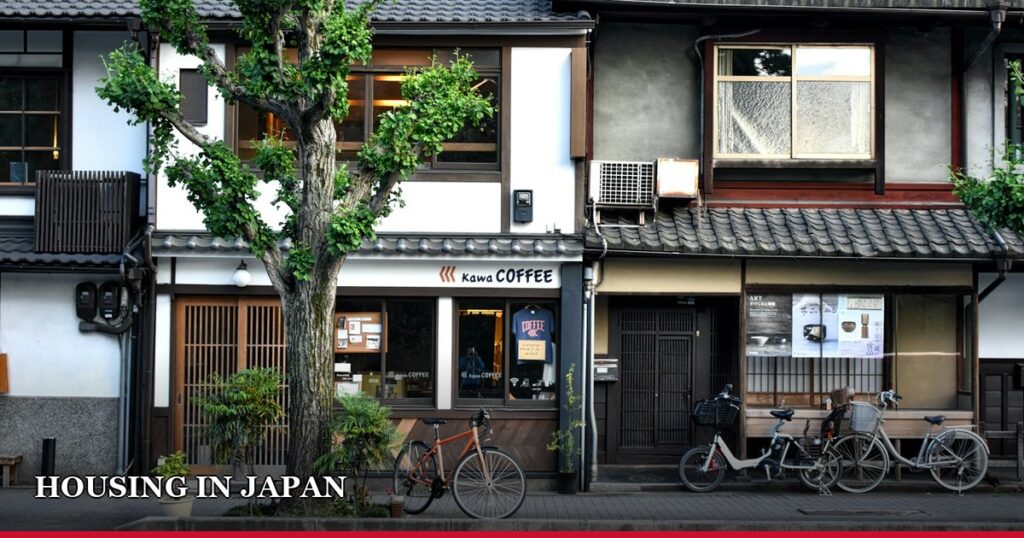
Why do Japanese houses only last about 30 years? The postwar construction rush, earthquake codes, tax rules, and cultural preference for new homes that shaped Japan’s scrap-and-build housing cycle.
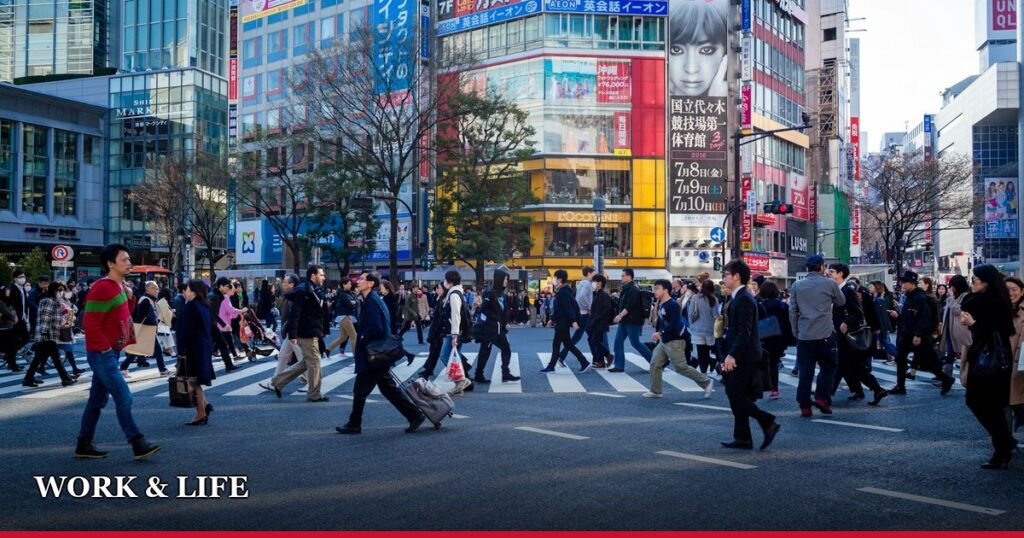
Why don’t Japanese employees use all their paid vacation? Guilt, presenteeism, and the 2019 law that made companies force staff to take at least five days off.
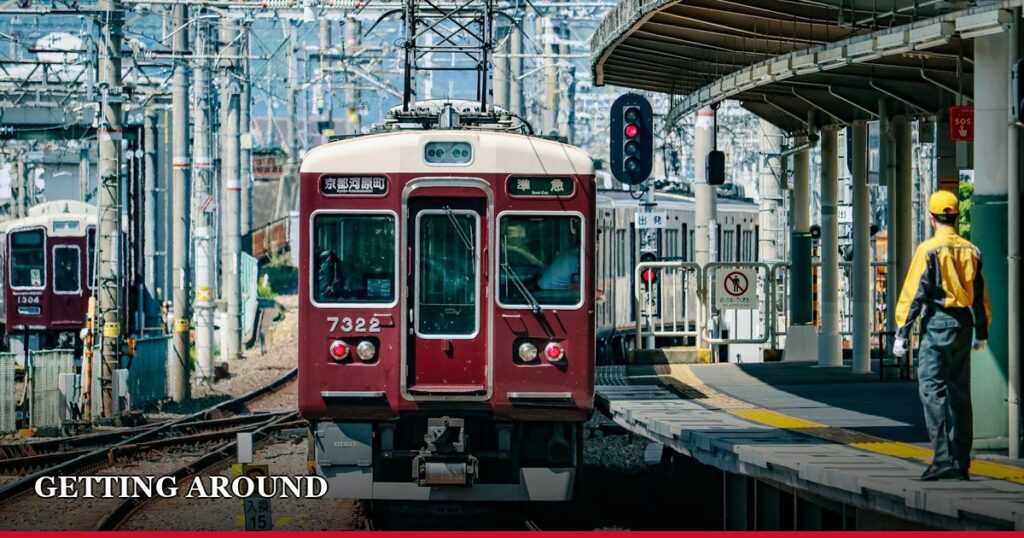
Why does Japan have women-only train cars, and when are they in effect? The chikan (groping) problem behind the policy, how well it works, and what visitors should know.

Why is Japanese karaoke private instead of on a stage, and what are the unwritten rules once you’re in the room? A guide to karaoke etiquette, history, and hitokara solo karaoke culture.
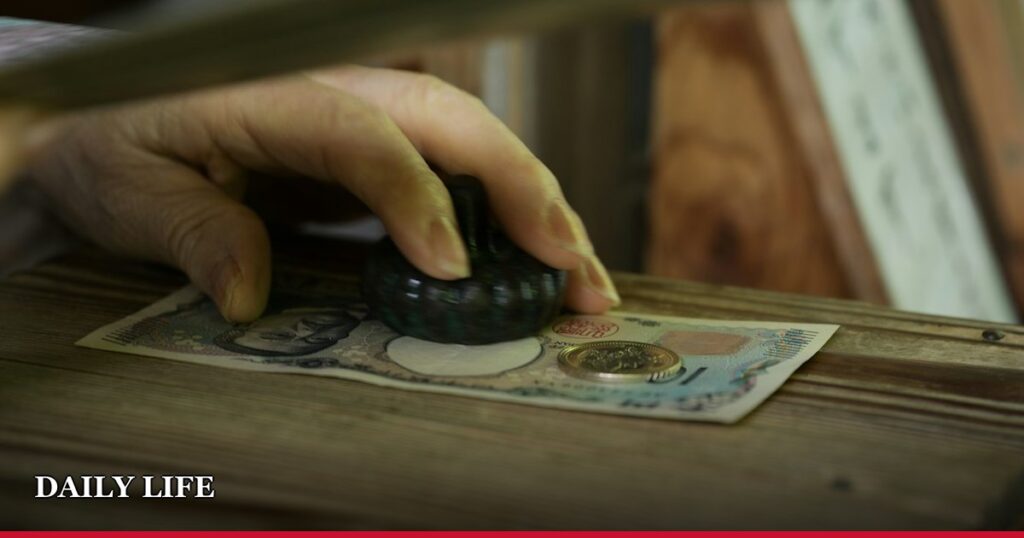
Why does cash-loving Japan surprise visitors expecting a cashless society? The trust, demographics, and small-business economics behind Japan’s continued reliance on physical money.
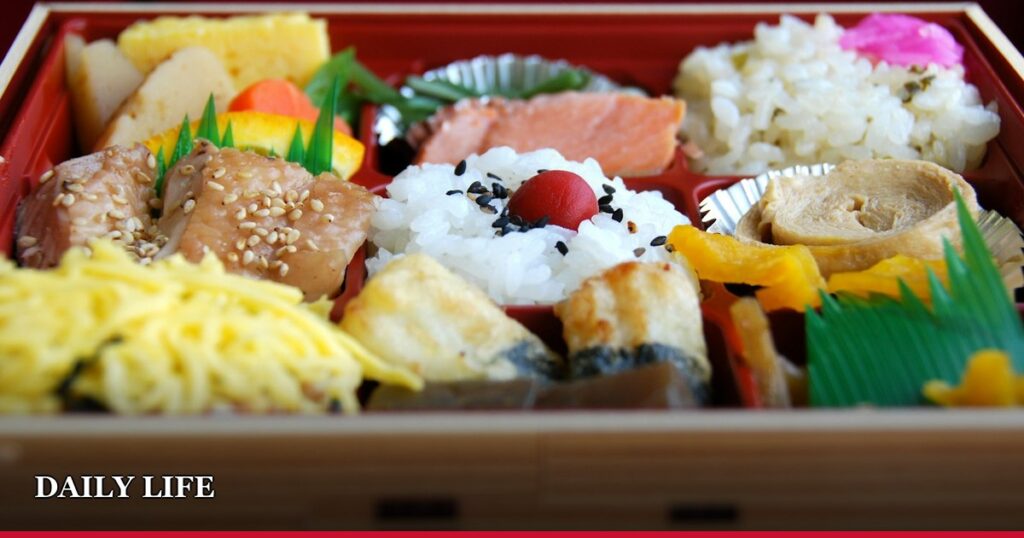
Why does Japan’s packed lunch carry so much cultural weight? The history of bento, its many forms from ekiben to kyaraben, and what it reveals about care and effort in Japanese culture.
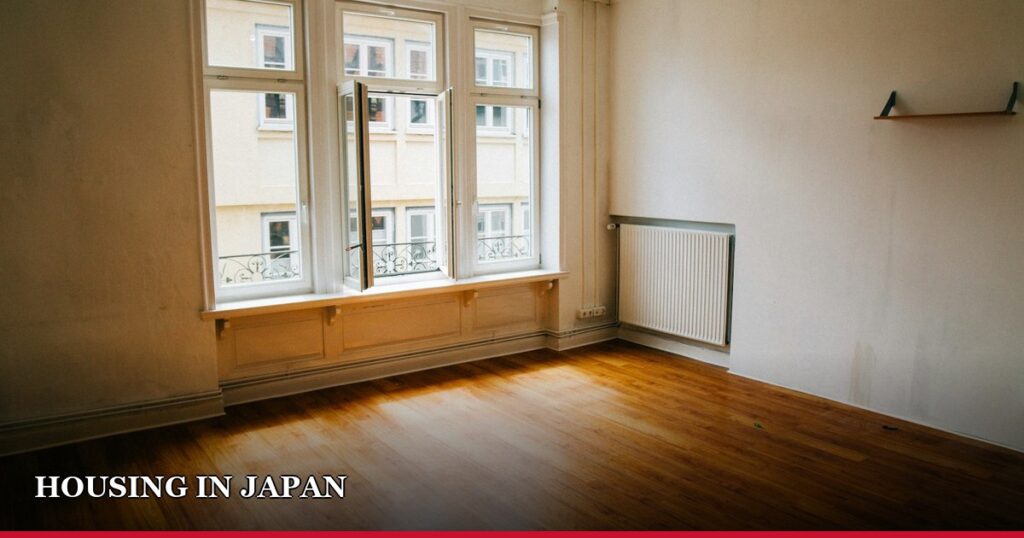
Why do Japanese apartments come without light fixtures or a stove? The custom behind Japan’s bare-shell rentals, and what to buy first when you move in.